

Root Canal
Treatment in Rohini
Root canal therapy treats infection or severe inflammation inside a tooth. A dentist removes the affected pulp, cleans and shapes the root canals, fills them, and restores the tooth. It can relieve infection-related discomfort and help preserve a natural tooth that might otherwise require extraction.
Root Canal Treatment Rohini
Root canal therapy treats infection or severe inflammation inside a tooth. A dentist removes the affected pulp, cleans and shapes the root canals, fills them, and restores the tooth.
A deep cavity, crack, or dental injury can allow bacteria to reach the soft tissue inside a tooth. This may cause persistent pain, sensitivity, swelling, or an infection around the root. Root Canal Treatment in Rohini aims to remove the infected or inflamed tissue, disinfect the inside of the tooth, and seal it so the natural tooth can continue to function.
The treatment may be recommended when the dental pulp cannot recover on its own. However, tooth pain does not always mean that root canal therapy is necessary. A dentist must examine the tooth, review symptoms, and take suitable dental X-rays before confirming the diagnosis. Patients in Rohini who notice ongoing discomfort, a swollen gum, or pain while chewing should seek a professional assessment instead of relying on home remedies.
Root canal therapy treats infection or severe inflammation inside a tooth. A dentist removes the affected pulp, cleans and shapes the root canals, fills them, and restores the tooth. It can relieve infection-related discomfort and help preserve a natural tooth that might otherwise require extraction.
EXCELLENTTrustindex verifies that the original source of the review is Google. I visited revive dental & cosmetic care for implants. I had bone loss in upper jaw . But they placed bone graft with immediate implant.the procedure was very comfortable and didn't felt any discomfort. I thank revive dental for this. And highly recommend everyone for any dental advice or treatment.Posted on GoogleTrustindex verifies that the original source of the review is Google. I went there for a root canal and honestly I was quite nervous before it. Dr. Kanika took the time to explain what was going on and what exactly she would be doing, which immediately made me feel more at ease. The procedure itself went much smoother than I had expected. She kept checking in during the treatment, which I really appreciated because it helped me stay calm. After it was done, she also explained the medicines and what I should do over the next few days in a very simple way, nothing rushed. Overall, it felt very comfortable and professional. I’m really glad I went here and would definitely recommend Dr. Kanika and Revive Dental.Posted on GoogleTrustindex verifies that the original source of the review is Google. Confident DOCTOR 👍Posted on GoogleTrustindex verifies that the original source of the review is Google. Had an excellent experience at Revive Dental Clinic. The dentist was professional, friendly, and explained the dental treatment, diagnosis, and procedure clearly. The clinic is clean, hygienic, and equipped with modern dental technology. I was very comfortable throughout the dental treatment, and the staff were caring and helpful. Highly recommended for quality dental care, painless treatment, teeth cleaning, dental check-ups, root canal treatment, and overall oral health care. Very happy with the service at Revive Dental Clinic!Posted on GoogleTrustindex verifies that the original source of the review is Google. Visited revive dental clinic for my mother's RCT root canal.Dr Kanika is the Best Dentist for root canal treatment. my mother is 68 year old and she was scared but dr Kanika was very calm and explained everything to her and reassured her. Happy with Treatment Highly recommendPosted on GoogleTrustindex verifies that the original source of the review is Google. Amazing dentist , very professional and polite at her work .Posted on GoogleTrustindex verifies that the original source of the review is Google. She is the kindest denist i ever had i still do remember i was in so much pain obv wisdom tooth but was healed in very first sitting thanks DrPosted on GoogleTrustindex verifies that the original source of the review is Google. Great Dental Work Expert in his area
What Is Root Canal Therapy?
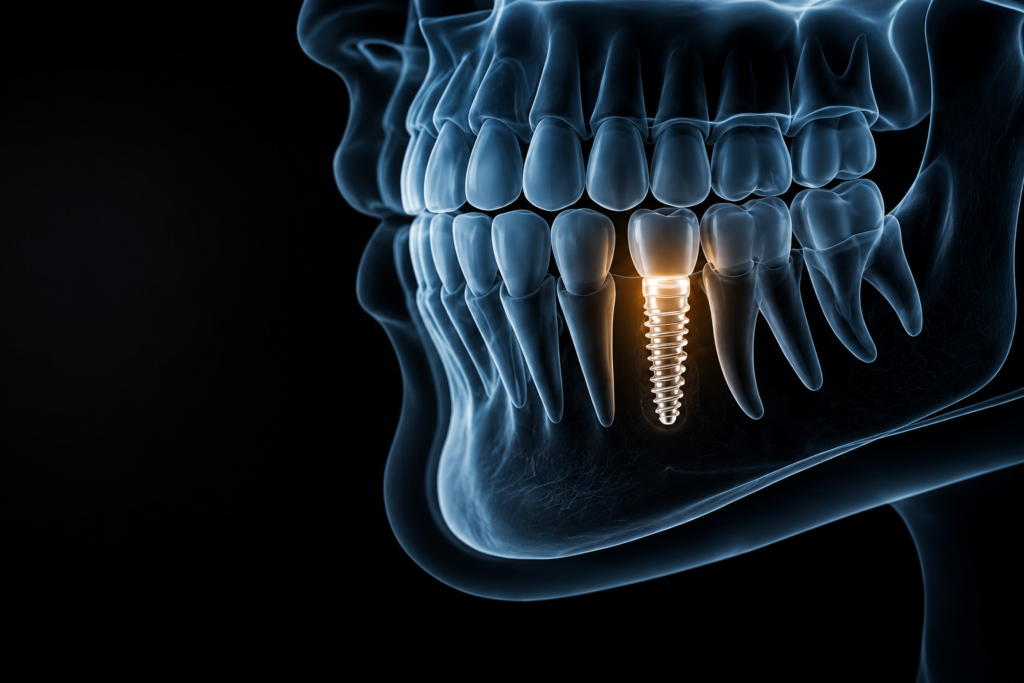
Root canal therapy is a dental procedure used to treat damaged, inflamed, or infected pulp inside a tooth. The dentist removes the affected tissue, cleans and disinfects the internal canals, fills the prepared space, and seals the tooth. A filling or crown may then be used to restore strength and function.
The pulp is the soft tissue at the centre of a tooth. It contains nerves, blood vessels, and connective tissue. When decay, a crack, repeated dental work, or trauma exposes this tissue to bacteria, it may become inflamed or infected. Once the pulp is irreversibly damaged, it cannot be repaired simply by placing a normal filling.
Root canal therapy focuses on keeping the outer structure of the natural tooth while removing diseased tissue from within it. The exact approach depends on the tooth involved, the number and shape of its canals, the extent of infection, and the condition of the surrounding bone and gums.
If you have ongoing toothache or swelling, schedule a dental consultation rather than waiting for symptoms to become severe.
When Might You Need Root Canal Therapy?
A dentist may recommend this procedure when the pulp is irreversibly inflamed, infected, or dead, but the tooth can still be restored. Common causes include deep tooth decay, a crack or fracture, leakage beneath an old restoration, repeated procedures on the same tooth, or an injury.
Possible warning signs include:
- Toothache that persists, returns, or disrupts sleep
- Pain or tenderness when biting and chewing
- Sensitivity to hot or cold that lingers after the stimulus is removed
- Swelling, tenderness, or a small pimple-like bump on the gum
- Darkening or discolouration of a tooth after trauma
- A broken tooth or a cavity that has reached deep inside
Who May Be a Suitable Candidate?
A suitable candidate usually has a tooth with pulp damage that cannot heal, sufficient remaining tooth structure to support restoration, and surrounding tissues that allow the tooth to be maintained. The dentist will also consider cracks, gum support, bite forces, previous treatment, general oral condition, and whether the tooth has a useful role in the bite.
Root canal therapy may not be the right option if a tooth has a deep vertical fracture, cannot be predictably restored, has inadequate periodontal support, or presents another limitation that makes retention unsuitable. In such cases, extraction and appropriate tooth-replacement options may be discussed.
Final suitability for Root Canal Treatment in Rohini can only be confirmed after a qualified dental professional examines the tooth and reviews appropriate diagnostic images. The decision should balance the possibility of preserving the tooth with its expected function, restoration needs, risks, and alternatives.
What Should You Expect Before the Procedure?
Before treatment, provide the dentist with accurate information about medical conditions, allergies, medicines, pregnancy, and previous dental experiences. Follow any personalised instructions given by the dental team. Do not stop prescribed medicine unless the appropriate healthcare professional advises you to do so.
Eat normally unless your dentist gives different instructions. Ask whether you will be able to drive afterward, especially if any sedation is being considered. It is also helpful to clarify the proposed treatment stages, estimated fees, restoration plan, and what to do if symptoms change between visits.
People comparing the Root Canal cost in Rohini should understand that the fee can vary with the tooth type, canal complexity, infection, previous treatment, number of appointments, diagnostic needs, and final restoration. A reliable estimate requires an examination; a price quoted without diagnosis may not include every necessary stage.
What Happens During Treatment?
The dental team generally numbs the area, isolates the tooth, and creates a controlled opening to reach the canals. Cleaning instruments and disinfecting solutions are used to remove affected tissue and prepare the internal spaces. The canals are then filled and sealed when clinically appropriate.
You may notice pressure, vibration, or movement, but you should tell the dentist if you feel pain. Modern local anaesthesia is intended to make treatment manageable, yet no responsible clinic should promise that every procedure will be completely sensation-free. The duration depends on the tooth and clinical complexity.
Recovery and Aftercare
Mild tenderness around the treated tooth can occur for a few days, particularly when biting. Follow the dentist’s instructions for medicines and oral care. Do not place aspirin or other substances directly on the gum, and do not take antibiotics unless they have been prescribed for your situation.
Until the permanent restoration is completed, avoid chewing hard or sticky foods on the treated tooth. Continue gentle brushing and interdental cleaning, taking care around any temporary filling. Attend the restoration and follow-up appointments even if the tooth feels comfortable.
Contact the dental clinic if pain is severe or worsening, swelling appears or increases, the bite feels unusually high, the temporary filling comes out, the tooth fractures, or previous symptoms return. Seek urgent medical or dental care for spreading facial swelling, fever with deterioration, difficulty breathing, or difficulty swallowing.
How Long Can a Treated Tooth Last?
A well-treated and properly restored tooth may remain functional for many years, but no precise lifespan can be promised. Longevity depends on the original condition, canal anatomy, quality and timing of the final restoration, remaining tooth structure, gum health, bite forces, oral hygiene, diet, grinding habits, new decay, and regular dental care.
A treated tooth can still develop decay or gum disease because only the pulp has been removed. Daily brushing with fluoride toothpaste, cleaning between teeth, avoiding damaging habits, and attending recommended dental check-ups remain important.
Risks, Limitations, and Alternatives
Root canal therapy is intended to preserve a tooth, but treatment does not guarantee healing. Complex or unusually narrow canals, hidden anatomy, severe infection, instrument complications, leakage, delayed restoration, or tooth fracture can affect the result. Some teeth may need retreatment, surgical management, or eventual extraction.
Temporary tenderness is possible, and flare-ups can occur. A crown or other restoration may be needed to reduce fracture risk, especially for heavily damaged back teeth. The dentist should explain material risks and considerations relevant to your tooth before consent.
The main alternative is often extraction. Depending on the clinical situation, the resulting space may be managed with a dental implant, bridge, removable prosthesis, or sometimes no immediate replacement. Each option has different suitability, time, cost, maintenance, and oral-health implications. Discuss these choices rather than assuming one treatment is appropriate for everyone.
Why Choose Revive Dental & Cosmetic Care?
Revive Dental & Cosmetic Care provides local patients in Rohini with an assessment-led approach to dental care. The purpose of the initial consultation is to identify the cause of symptoms, determine whether the tooth can be saved, and explain reasonable options in clear language.
Treatment planning can cover the internal procedure, the restoration needed afterward, expected aftercare, possible limitations, and follow-up. Patients are encouraged to ask questions and understand why a particular approach is being recommended. This oral-health-focused process supports informed decisions without relying on exaggerated promises.
If you have been searching for a Root Canal clinic in Rohini, arrange an evaluation with the team to discuss your symptoms and suitable next steps.
How Does Root Canal Therapy Work?
The procedure is performed in stages that may be completed in one or more visits. The pathway varies according to the tooth, canal anatomy, infection, symptoms, and restoration required.
Consultation and dental examination
The dentist asks about symptoms and dental history, examines the tooth and surrounding tissues, and may test biting pressure, temperature response, or pulp vitality. Dental X-rays help assess the roots and nearby bone.
Diagnosis and treatment planning
The findings are used to identify whether the pulp is inflamed or infected and whether the tooth can be restored. The dentist explains the proposed treatment, alternatives, likely number of visits, restoration needs, limitations, and relevant costs.
Anaesthesia and isolation
Local anaesthesia is commonly used to numb the area. The tooth is isolated to keep it clean and protected during treatment. Patients should tell the dental team if they still feel discomfort.
Cleaning and shaping
An opening is made in the tooth to reach the pulp chamber. The affected tissue is removed, and small dental instruments are used to clean and shape the canals. Disinfecting solutions help reduce bacteria within the prepared space.
Filling and sealing
Once the canals are ready, they are filled with a suitable root-filling material and sealed. In some cases, medication and a temporary filling are placed between appointments before final filling.
{ FAQ } Frequently Asked Question
Is root canal therapy painful?
We recommend a dental check-up and professional cleaning every 6 months to maintain healthy teeth and gums.
How long does the procedure take?
Implant treatment at Revive Dental & Cosmetic Care may take several months because the jawbone often needs time to heal before the final restoration is fitted. Timing varies according to healing, implant position, the number of missing teeth and any required preparatory care.
How do I know whether I need treatment?
Dental implant suitability at Revive Dental & Cosmetic Care depends on gum health, available jawbone, general health, medicines, tobacco use and oral hygiene. The dental team must examine the patient and review appropriate imaging before recommending treatment.
Can I eat after treatment?
After tooth implant treatment, Revive Dental & Cosmetic Care may recommend softer foods and avoiding chewing directly over the surgical site. Patients should follow their personalised instructions, avoid very hot food while numb and return to normal eating only as advised.
How long is recovery?
Many people return to routine activities quickly, although mild tenderness can last for several days. Recovery varies with the severity of inflammation, the tooth treated, and individual healing. Contact the clinic if discomfort becomes severe, swelling develops, or symptoms worsen.
Will I need a crown afterward?
Not every tooth has the same restorative need. Back teeth and teeth with extensive structural loss often require a crown or another protective restoration. The dentist will assess remaining tooth structure, location, bite forces, and fracture risk before advising you.
How much does treatment cost locally?
The total fee depends on the tooth, canal complexity, whether it is initial treatment or retreatment, diagnostic requirements, appointments, and final restoration. An examination is necessary for an individual estimate. Ask what is included so that you can compare plans fairly.
Is the procedure safe?
Root canal therapy is an established dental procedure, but it has risks and limitations like any treatment. Professional diagnosis, appropriate infection control, careful treatment, timely restoration, and follow-up are important. Your dentist should explain factors relevant to your health and tooth.